A "Waste-to-Treasure" farm specializing in vermicomposting, turning raw food waste into fertilizer. We combine food-agri education with SDGs for a zero-waste ecosystem.
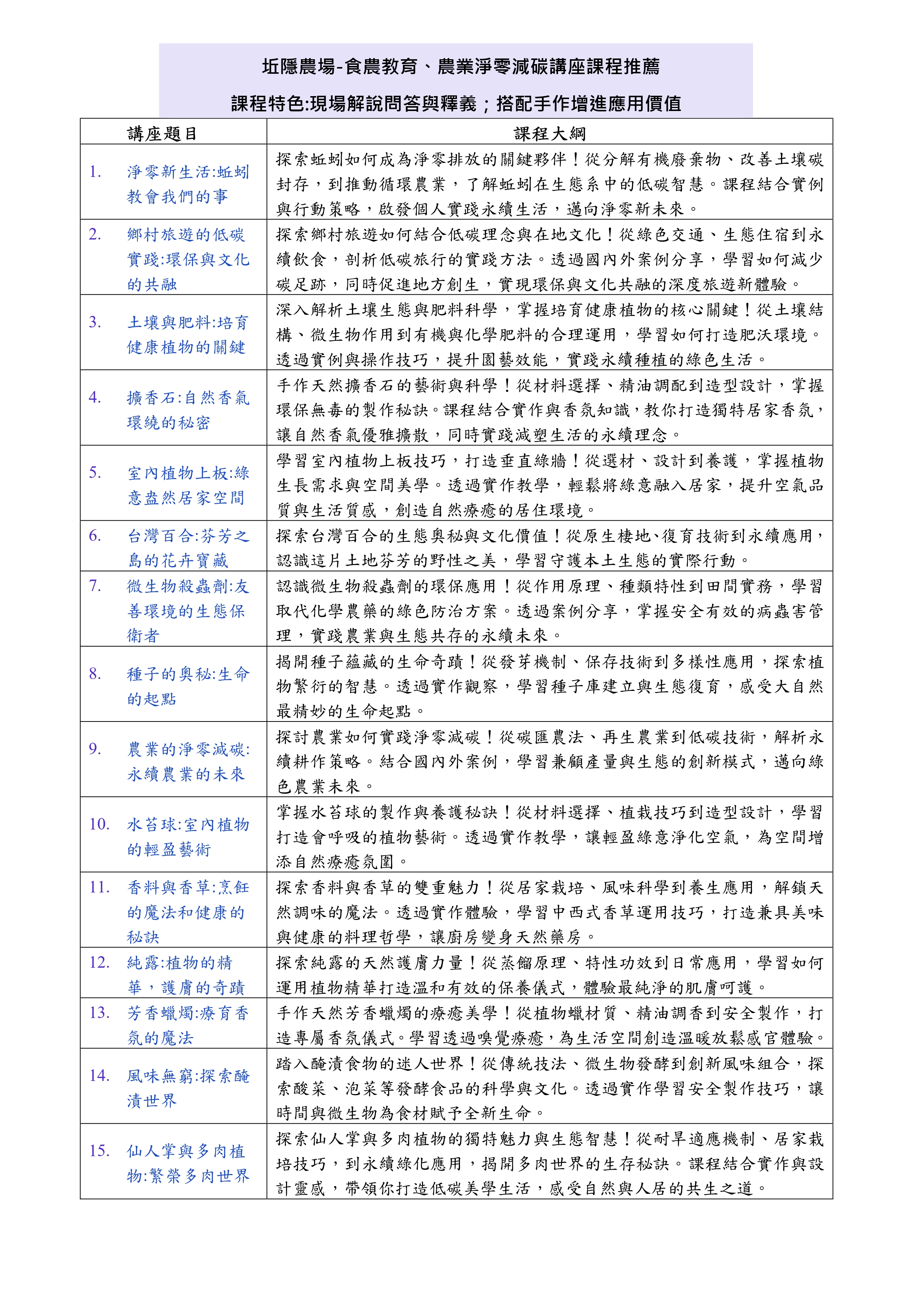
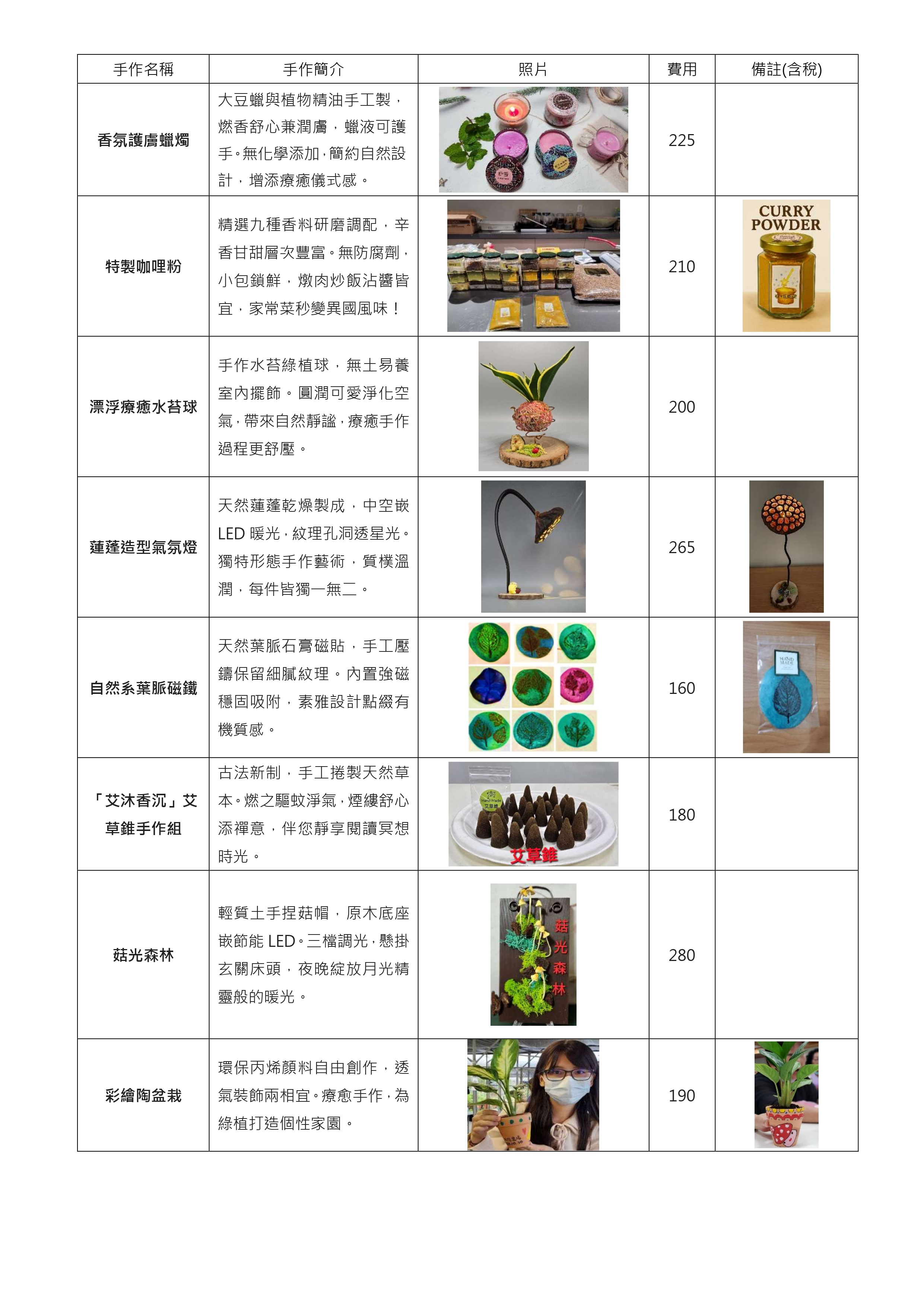
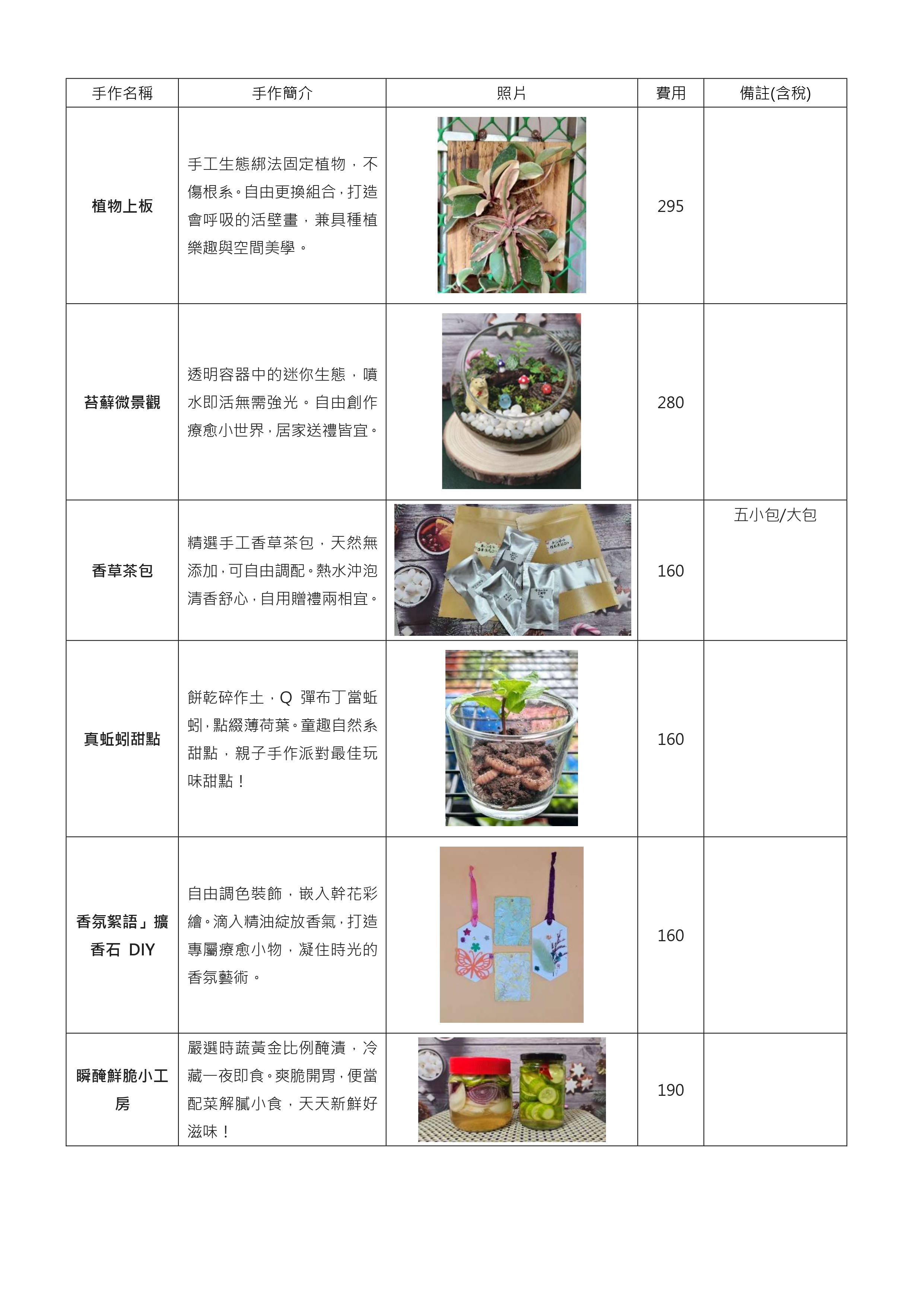
Explore Our Courses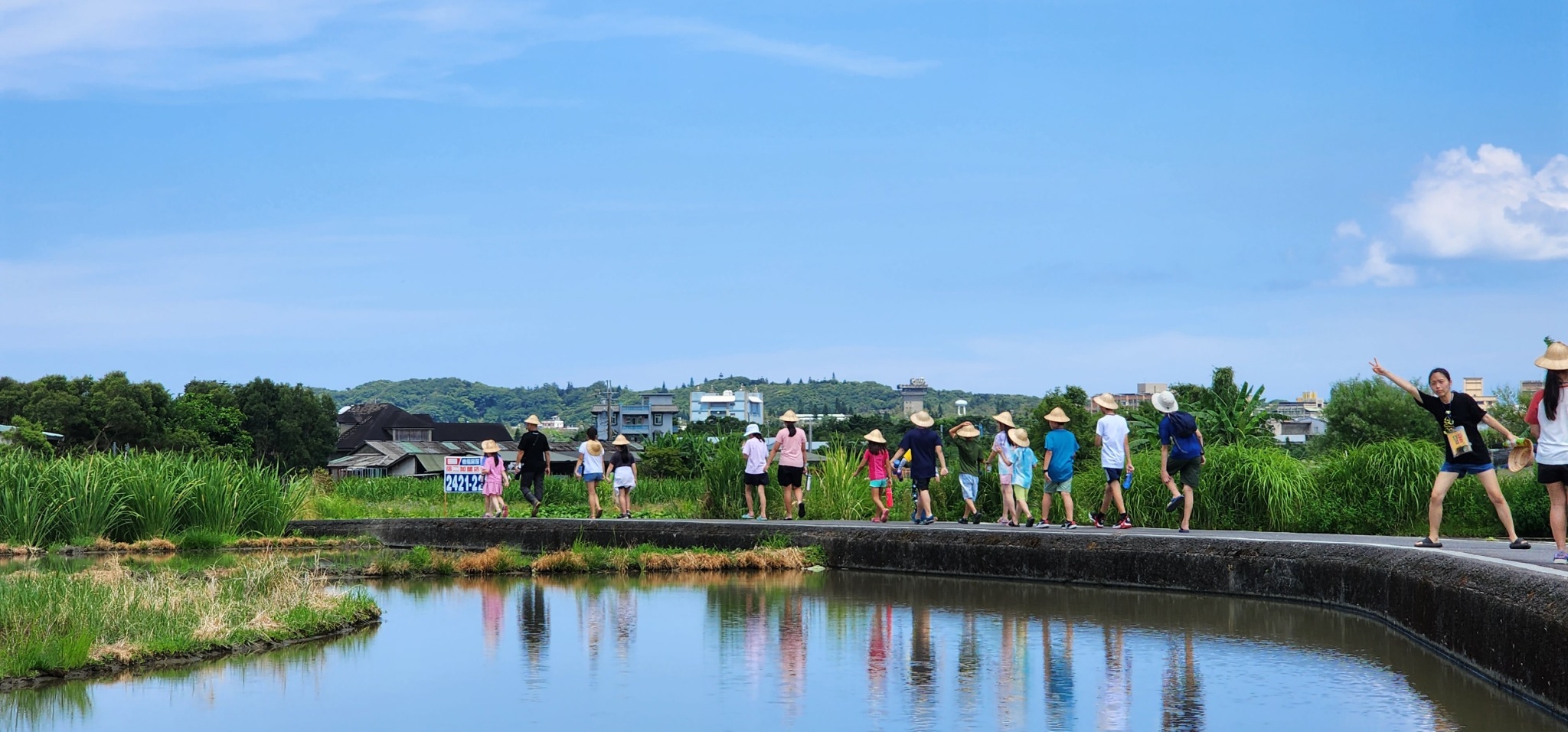
Earthworm Farm, a circular agriculture farm centered on "European Red Wigglers," was founded by Mr. Wang Ting-Hung, who holds a Master's in Microbiology and rich experience in food-agri education. We deeply believe in the "waste-to-treasure" philosophy, helping more people understand the importance of coexisting with the land through education and practice.
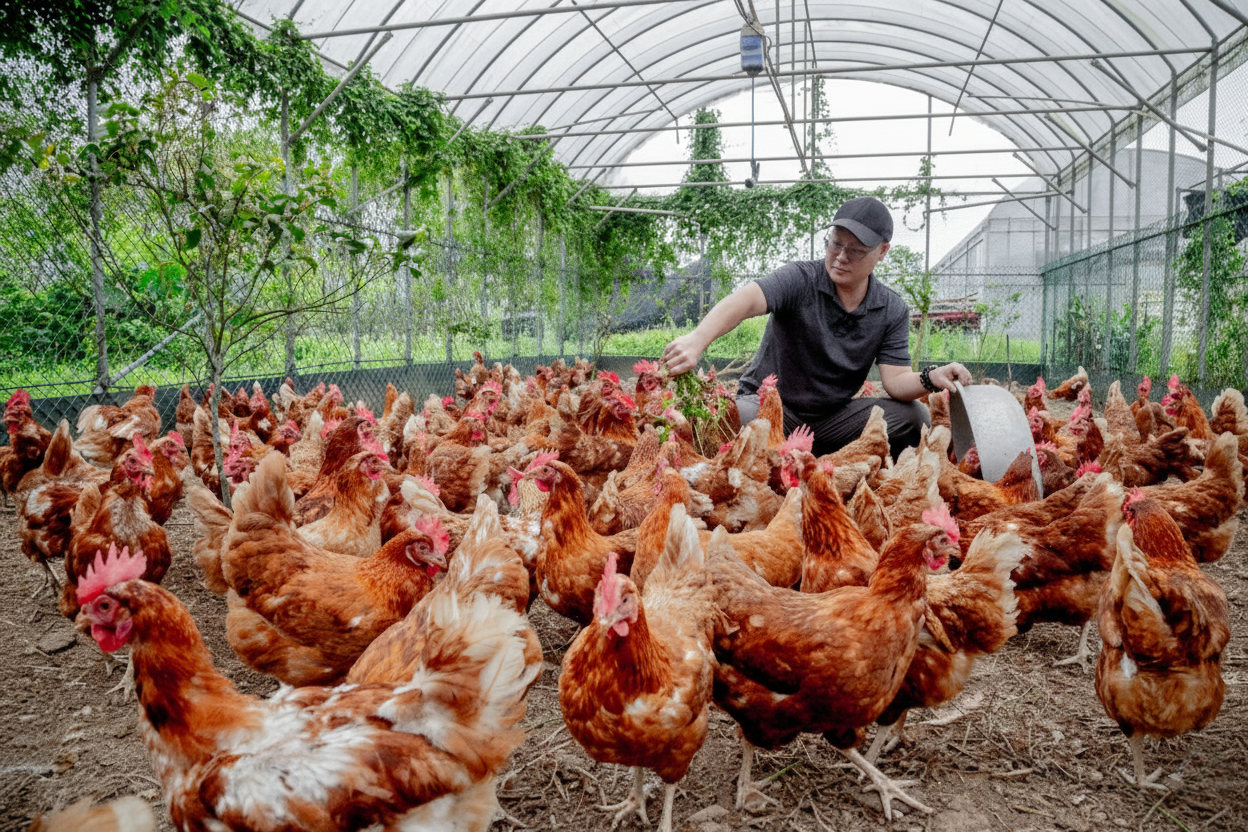
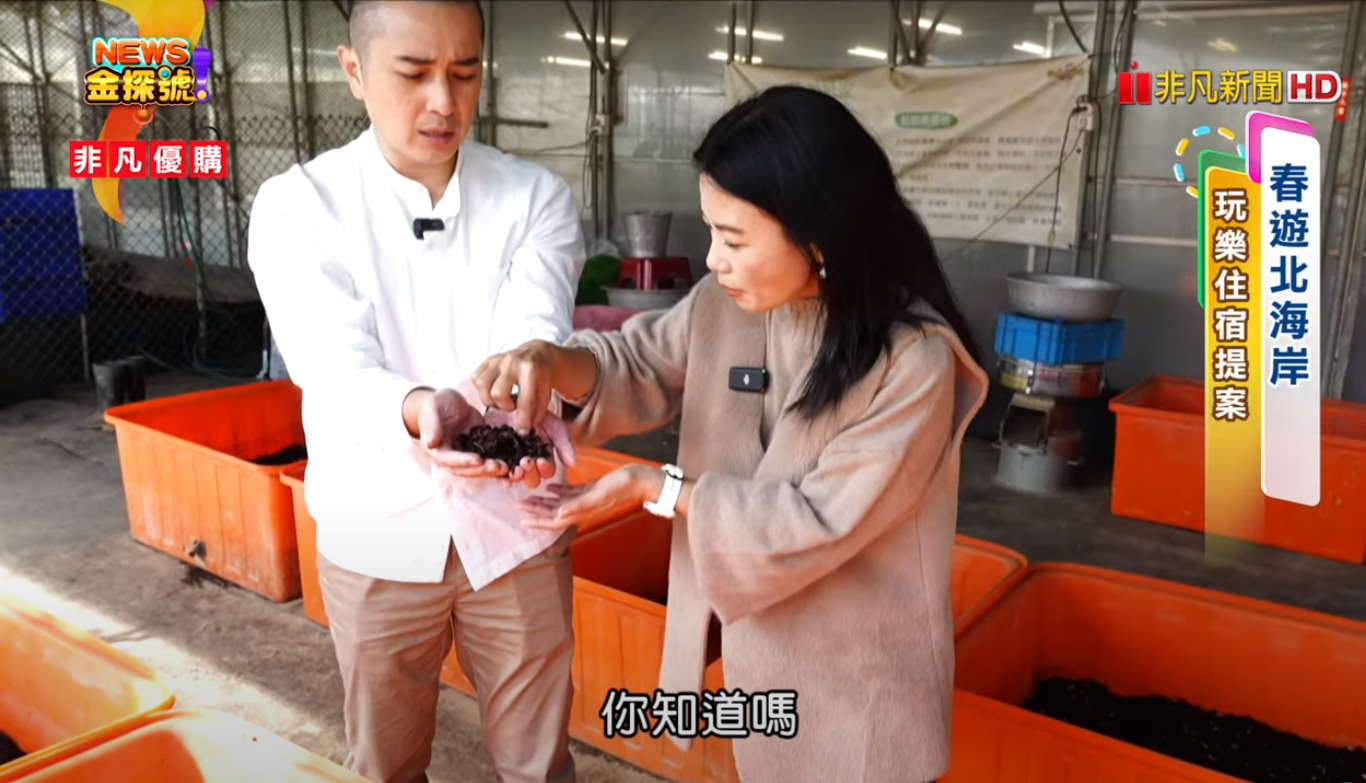
We feed organic waste, like raw food scraps and vegetable residues, to European Red Wigglers. Through professional vermicomposting techniques, the worms transform this waste into precious vermicast (worm castings). This vermicast is an excellent organic fertilizer, helping plants grow healthier and stronger. This not only reduces waste but also creates a sustainable production model.
The farm currently welcomes schools, family groups, and the public for experiential activities, promoting environmental education, SDGs, and the circular economy. We invite you to visit the farm and experience this journey full of life and knowledge.
【Important Notice】The farm is currently relocating. For the latest updates, please refer to the Earthworm Farm Facebook page.
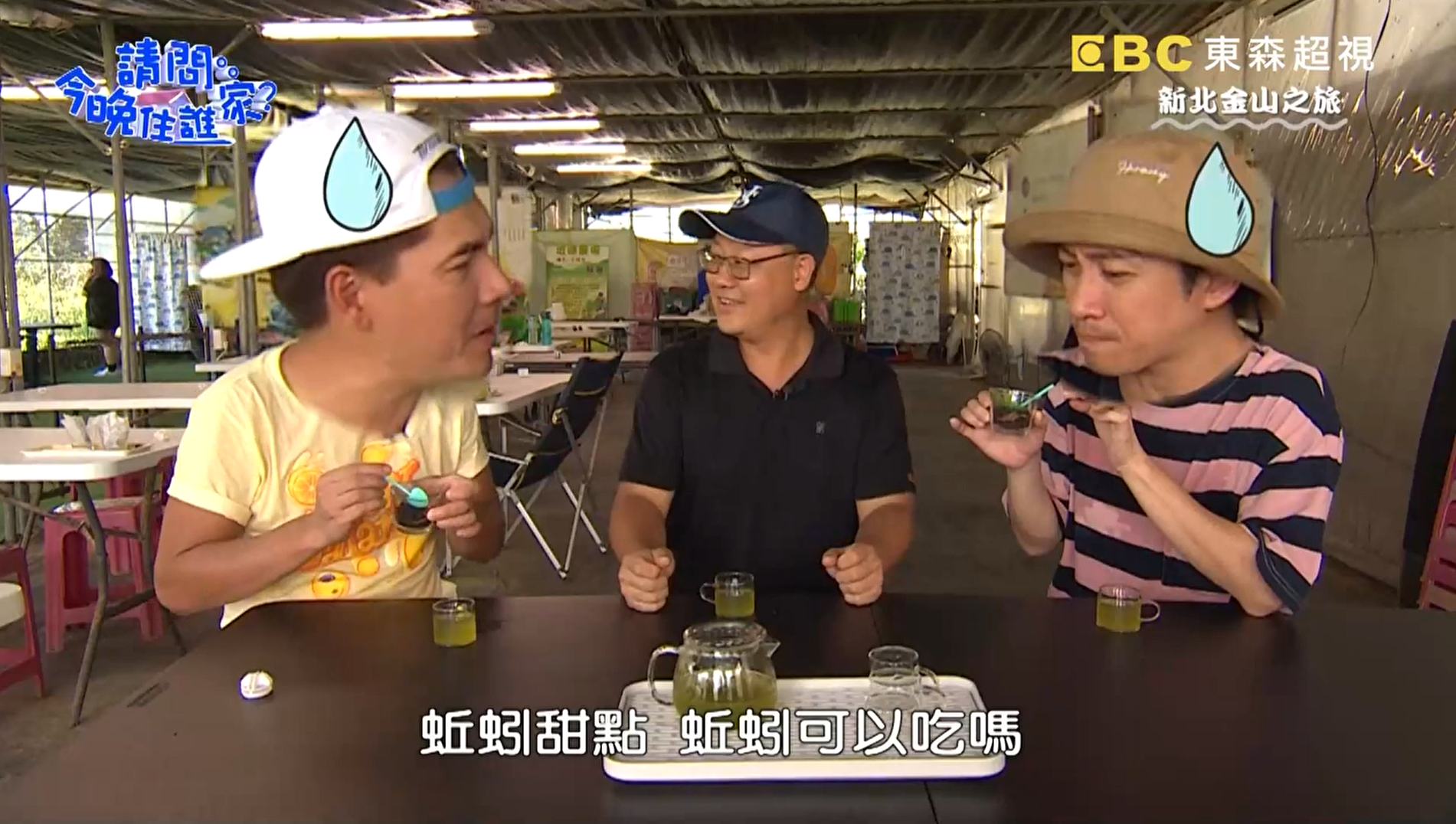
Combining hands-on practice with knowledge, we guide you to deeply understand vermicomposting, European Red Wiggler farming, and the secrets of turning food waste into fertilizer.
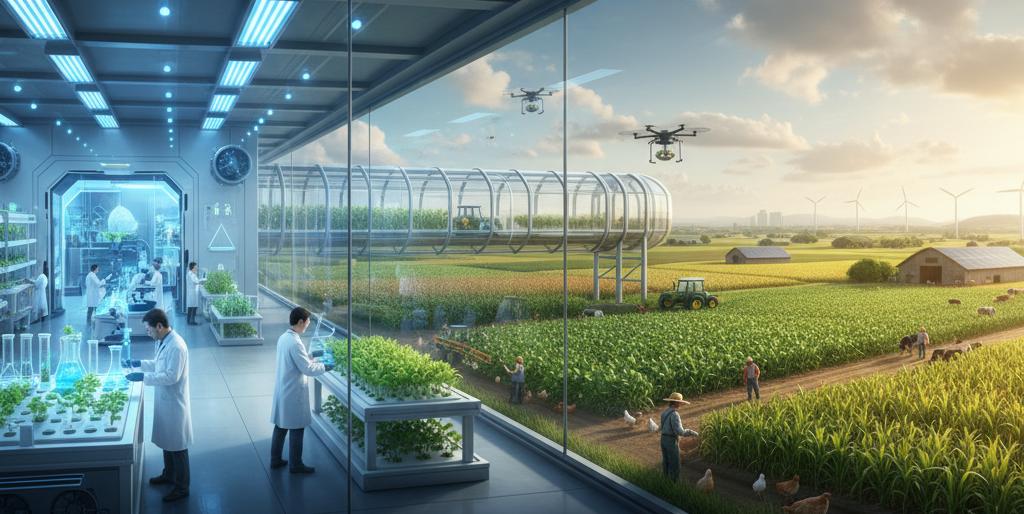
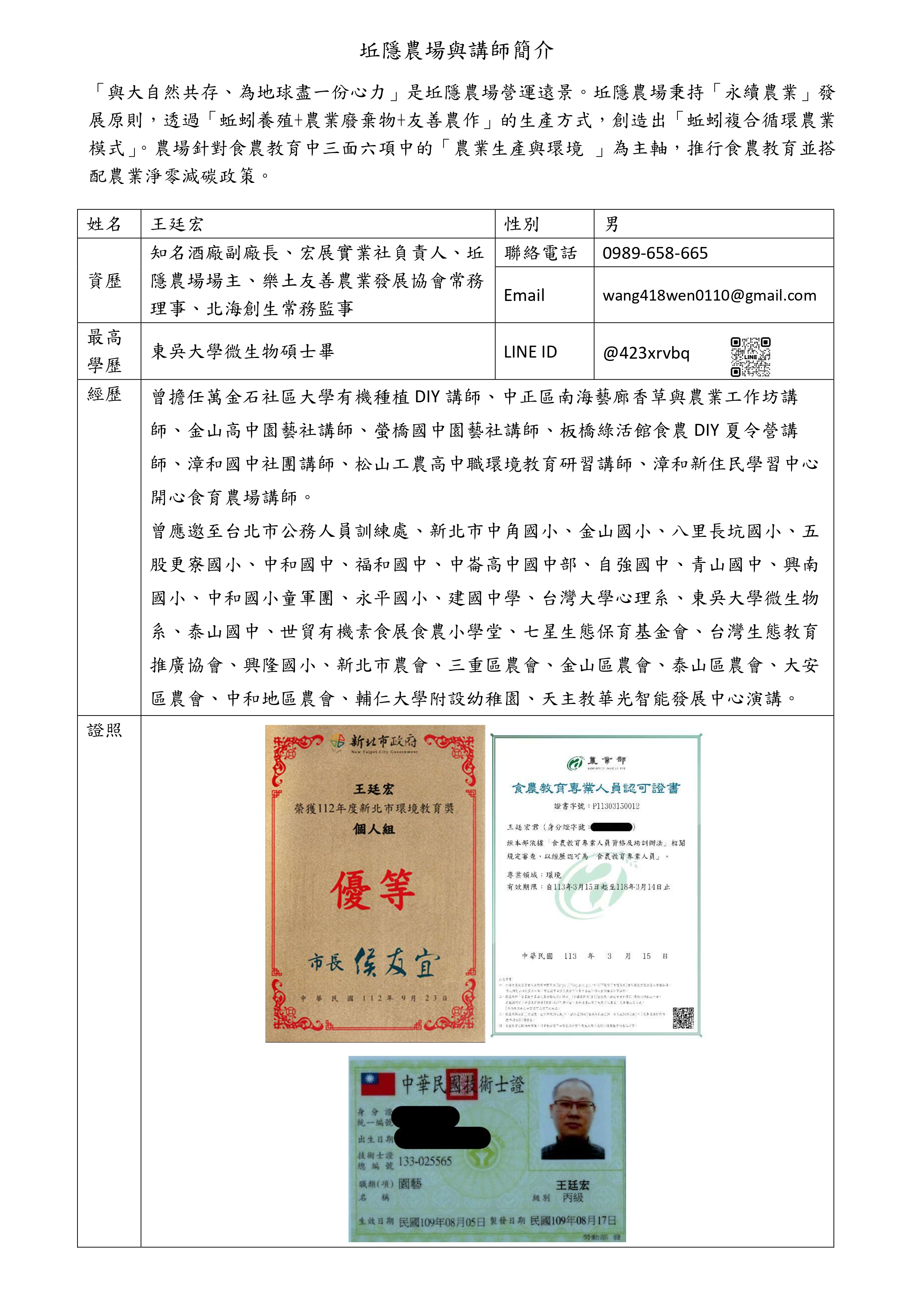
Mr. Wang Ting-Hung holds a Master's degree from Soochow University's Institute of Microbiology. He held key R&D and production roles at a well-known biotechnology company and later served as a quality control manager and deputy director at a famous brewery. This professional journey, from microbial fermentation to quality management, laid a unique scientific foundation for his venture into earthworm composite farming, filling Earthworm Farm's operations with rationality and innovation.
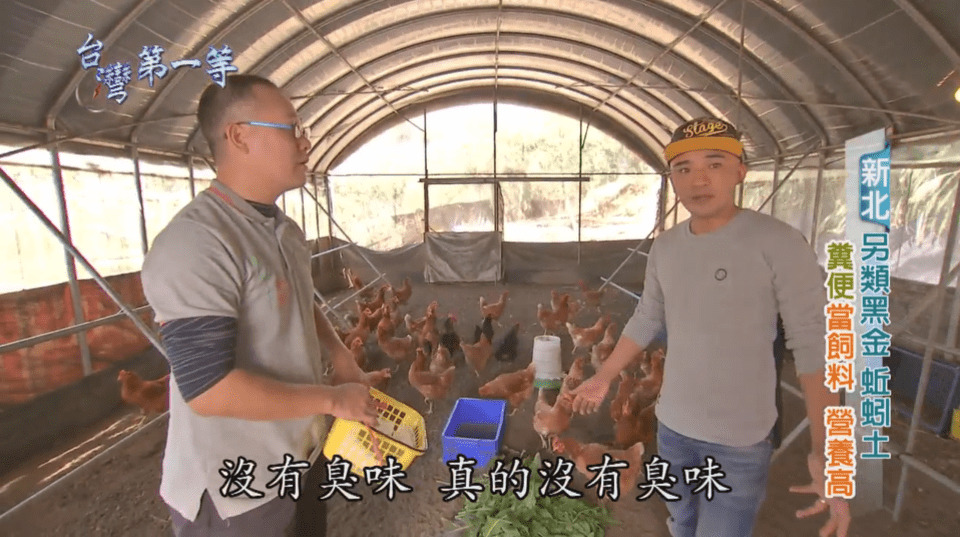
"Earthworm Farm isn't just about raising worms; it's a **zero-waste circular system**: Agricultural waste & food scraps → European Red Wigglers → Vermicast → Crop fertilizer & chicken bedding. We apply scientific knowledge to the land to achieve true ecological sustainability. This is the best way to manage our planet."
We don't just apply science to practice; we are committed to spreading the concept of sustainability through education. Mr. Wang holds multiple professional certifications and is active in schools and communities, promoting food-agri education and environmental practice.
Sharing the farm's daily life, visitor feedback, and our gratitude for the land.
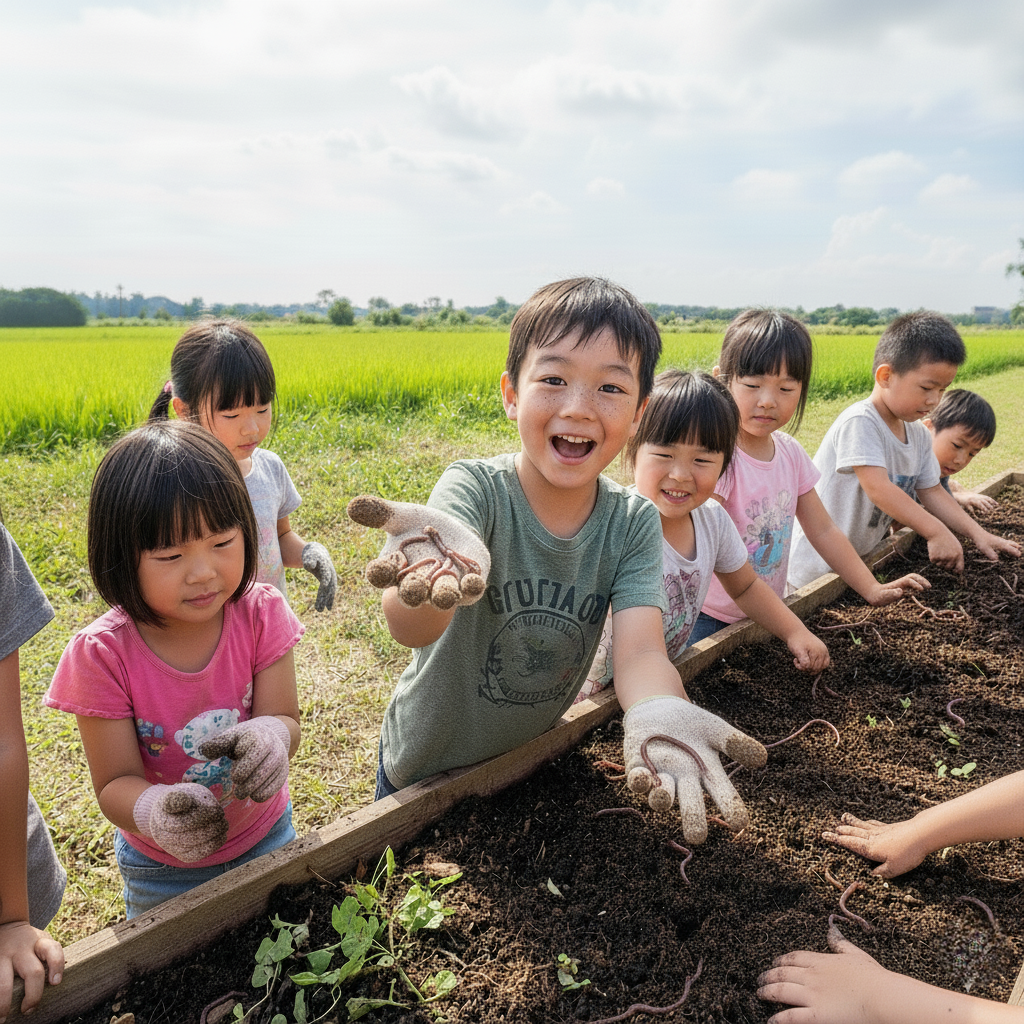
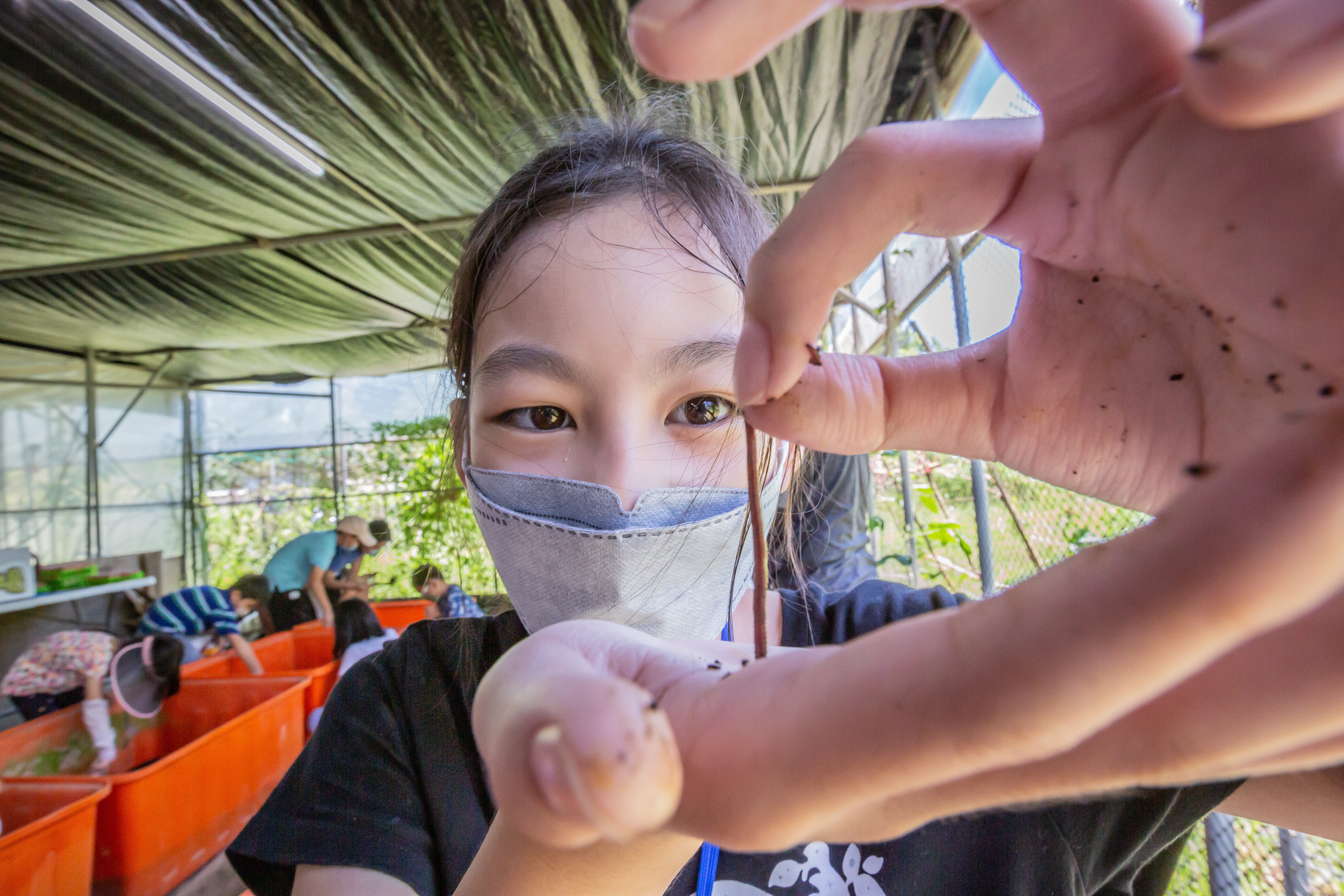
The excitement on kids' faces when they first touch a European Red Wiggler is our greatest motivation! Watching them go from fear to curiosity.
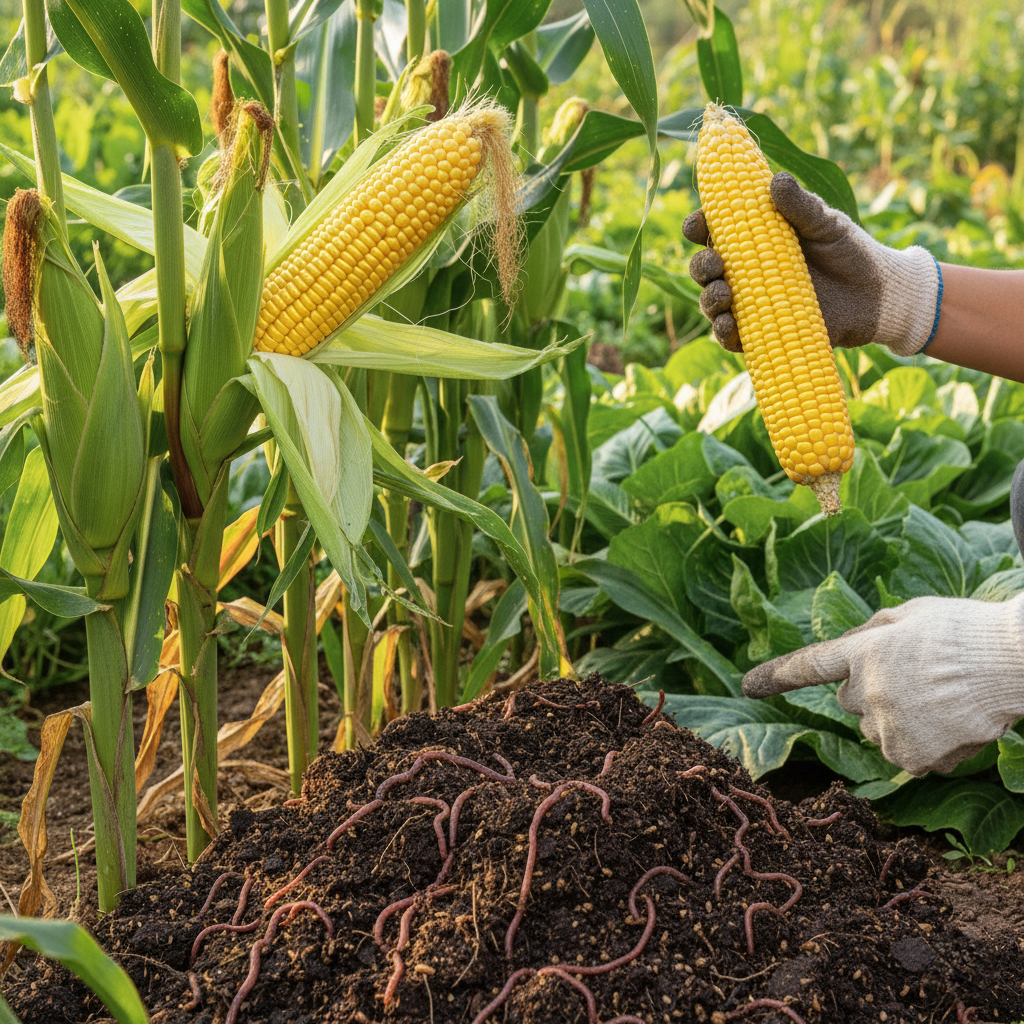
This year's corn is especially sweet! It's all thanks to the hard work of our worm partners. Natural vermicast fertilizer grows the safest produce.
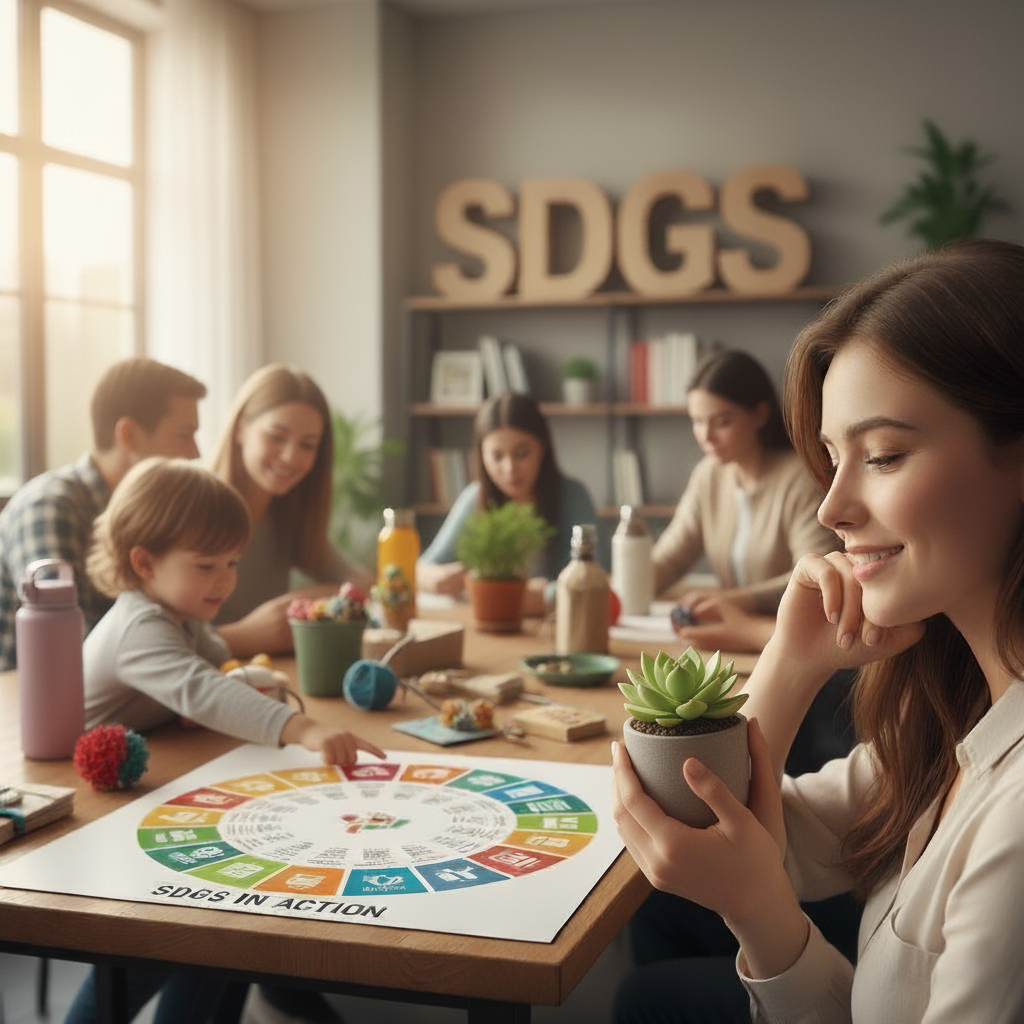
"I never thought an afternoon course could redefine my understanding of environmentalism." Receiving messages like this makes it all worthwhile.
A story about walking out of the lab and into the farm. Coming soon!
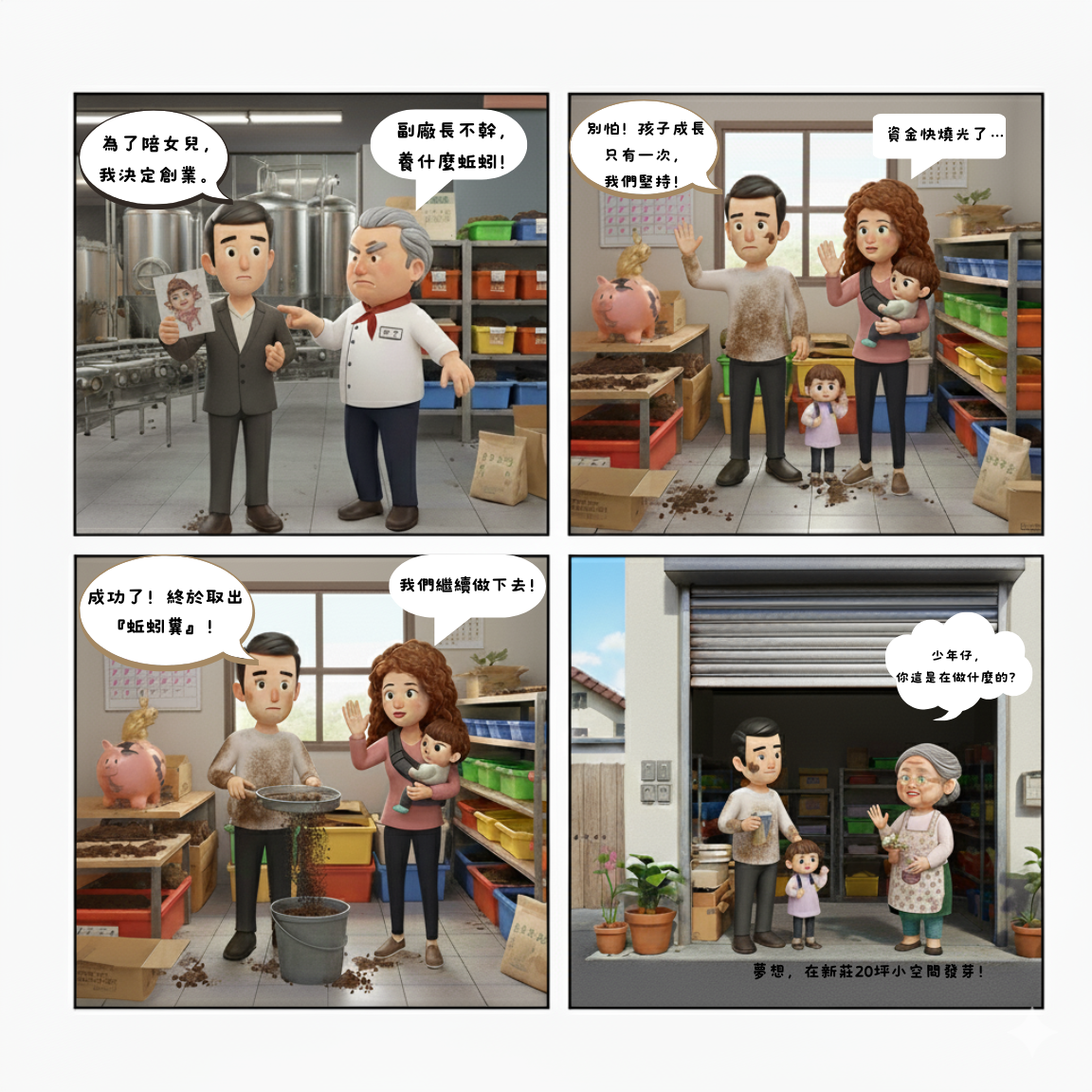
"Quitting a good job as a brewery deputy director to raise worms?!" That's what my mentor said. But in my heart, I knew some dreams are worth chasing, even if others don't understand.
Being a deputy director at a famous brewery, my expertise in microbiology was a source of pride. However, as work got busier and orders piled up, I realized my baby daughter no longer recognized me; she cried whenever I held her. At that moment, my wife and I made the most important decision of our lives: A child's growth happens only once; miss it, and it's gone. We gave up everything in Taipei and chose to start our own business, just to spend more time with them.
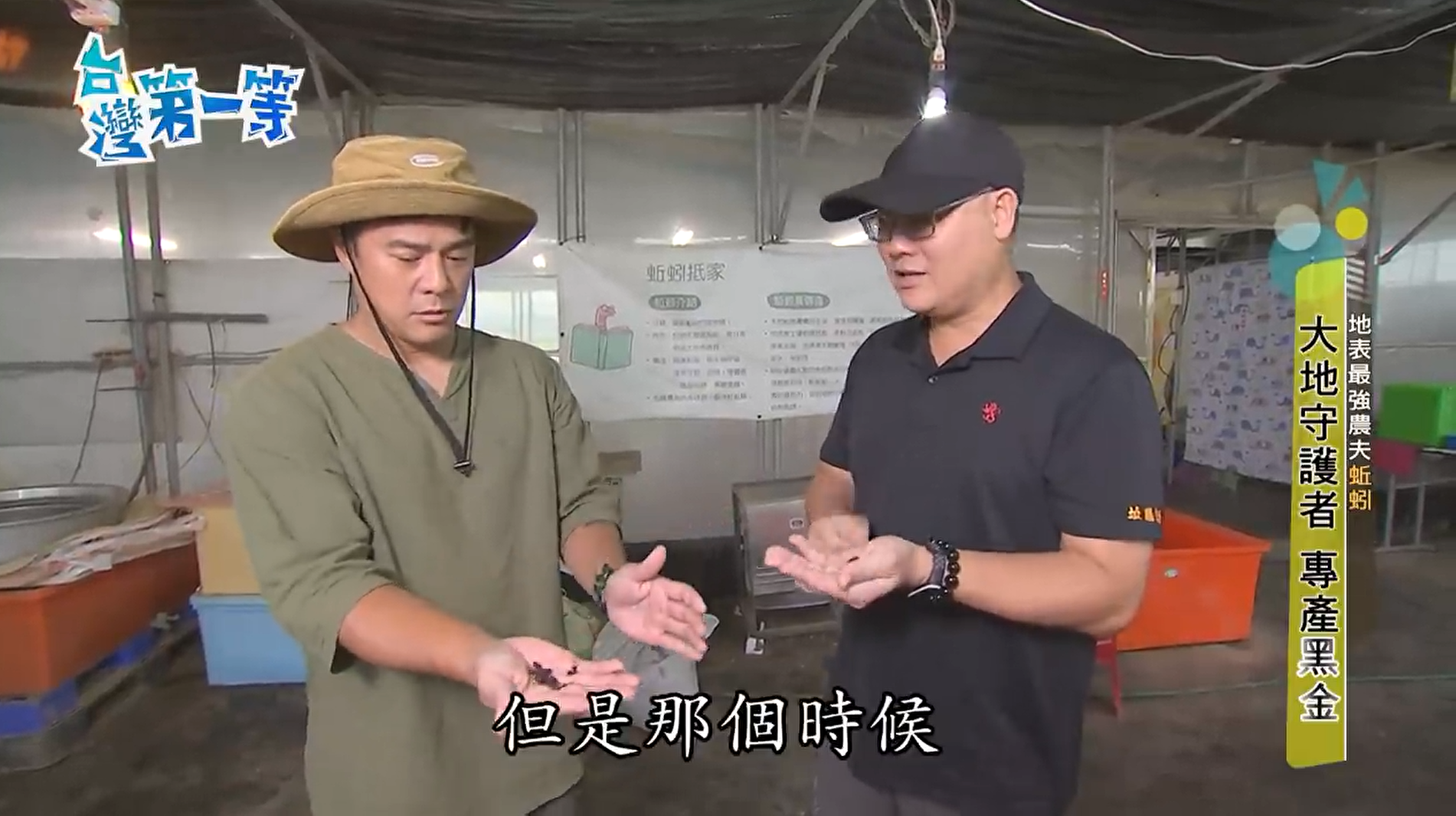
Starting a business is tough, especially when you've never been the boss. Time and money were like two giants; funds quickly ran out. Fortunately, on the brink of despair, worm farming showed a glimmer of hope—the population grew steadily. However, the most critical part, extracting the "vermicast," was unsuccessful. After countless trials and failures, we finally found a way to produce this precious "black gold"! This breakthrough convinced us to keep going.
Our first worm farm was in Xinzhuang, on the first floor of a 20-ping (approx. 710 sq ft) residential building. I rarely opened the metal shutter, not wanting to be disturbed. But whenever I did, people would peek in. They saw rows of plastic bins and piles of black vermicast, yet were amazed that the worms were neither noisy nor smelly. I became good friends with the elderly granny living next door. She often visited, caring for me like her own son.
From brewery deputy director to worm farmer, this journey has been challenging, but it has also given me back precious time with my family. Today, my daughters run happily in the fields, and my worms and I are working together to bring life to this land.
(... More exciting stories to come in future installments!)